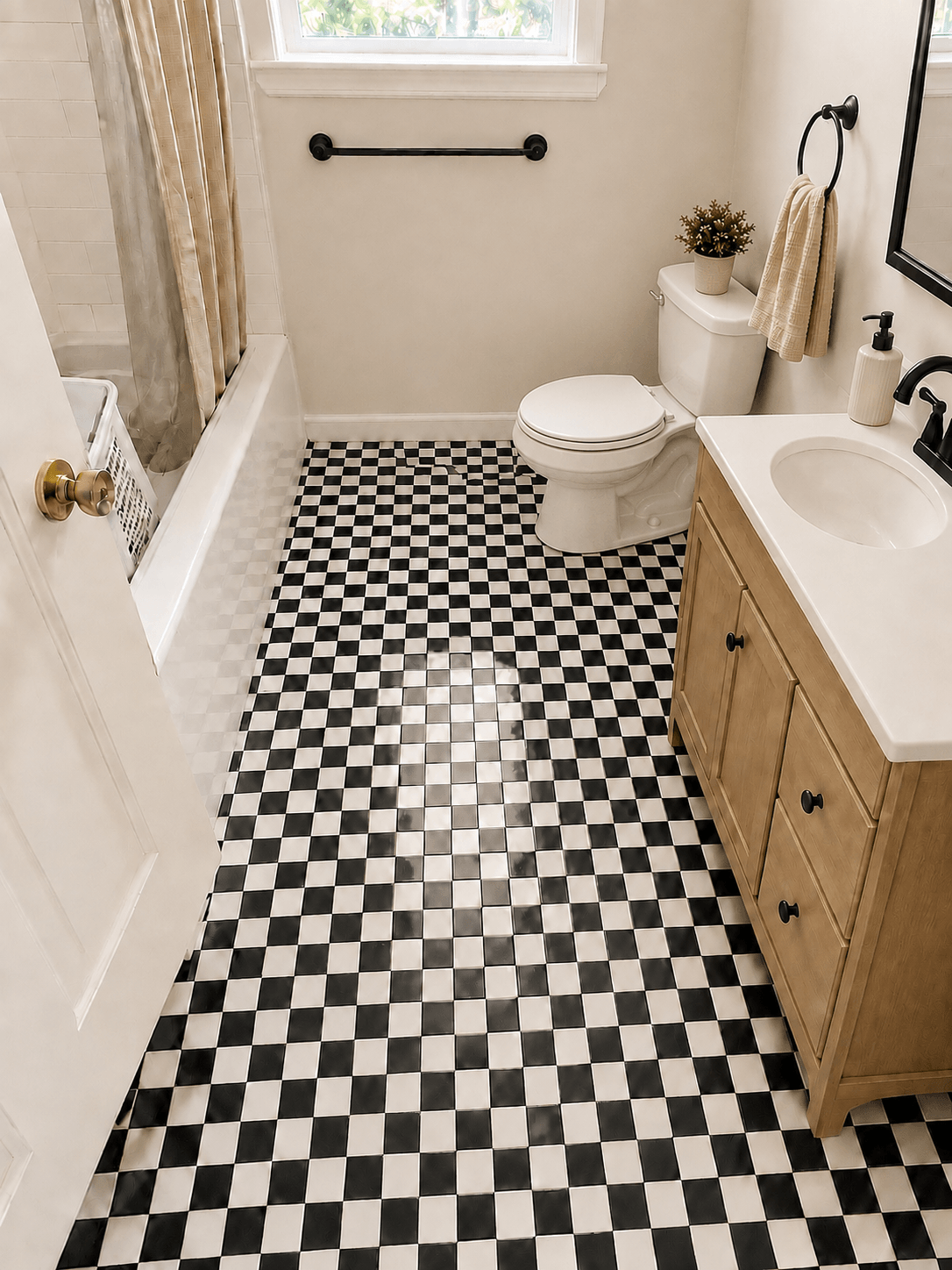
 Bathroom project 01
Completed project · Metro Atlanta
Bathroom Remodeling · Metro Atlanta
PCG handles bathroom renovations from focused upgrades to full remodels, with attention to layout, showers and tubs, tile, vanities, fixtures, ventilation, and the construction behind the finished room.
Start with what feels dated, damaged, cramped, or no longer works for the way you use the room.
Completed bathroom work
A few completed PCG bathroom projects showing finished spaces and details such as tile, niches, fixtures, cabinetry, trim, and transitions.
Bathroom project 01Completed project · Metro Atlanta
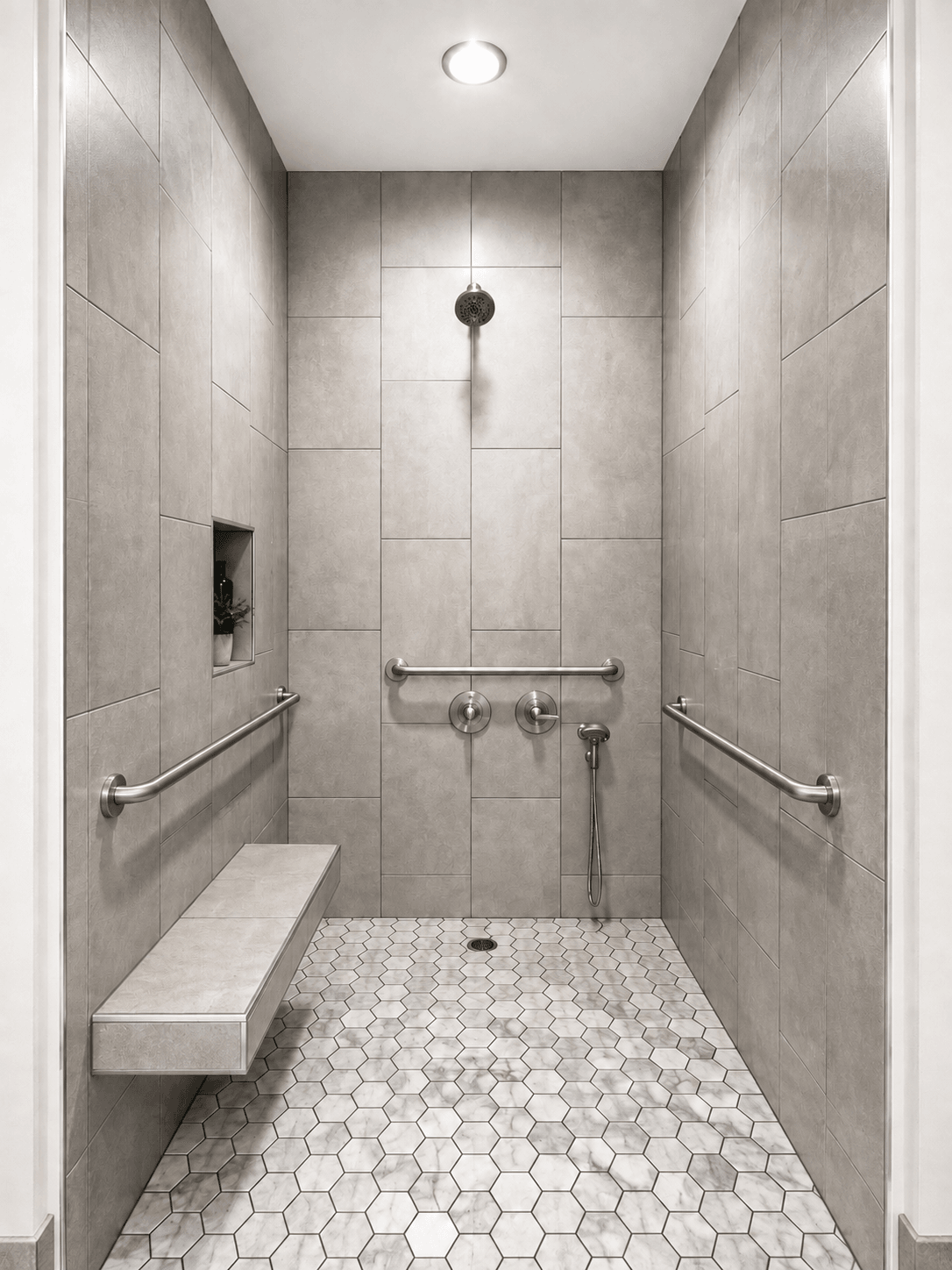 Bathroom project 02
Completed project · Metro Atlanta
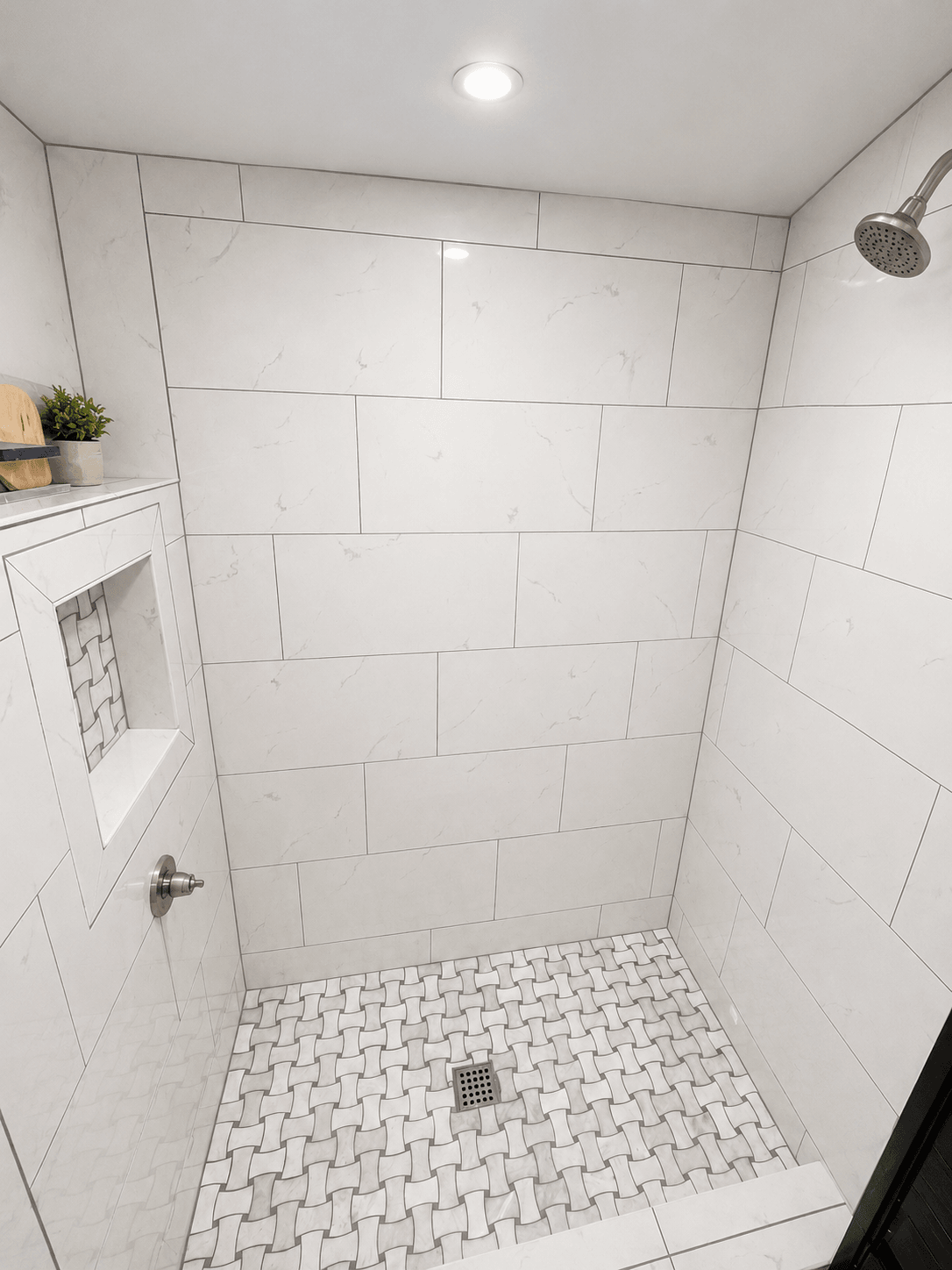 Bathroom project 03
Completed project · Metro Atlanta
What we can change
You do not need every fixture or finish selected before reaching out. Start with what feels dated, damaged, cramped, or simply no longer works for the way you use the room.
Coordinate the room as a whole, including demolition, surfaces, fixtures, lighting, storage, and finish work.
Rebuild wet areas with the layout, waterproofing, drainage, tile, glass, and fixtures the project requires.
Improve cabinetry, counters, mirrors, medicine storage, and the everyday function of the room.
Handle the surfaces where precision, transitions, layout, and preparation are especially visible.
Coordinate lighting, plumbing fixtures, hardware, and finishing details within the remodel.
Reconsider showers, tubs, vanities, walls, or plumbing locations when the room itself needs to work differently.
What matters most
Beautiful tile cannot compensate for poor waterproofing, bad drainage, inadequate ventilation, or unresolved damage. The hidden work deserves the same attention as the finish.
Wet areas need deliberate waterproofing, drainage, transitions, and installation so the finished bathroom is built for repeated daily use.
Opening walls and floors can reveal moisture damage, subfloor issues, or outdated systems. Those findings should be explained before the scope changes.
Tile layout, grout lines, trim, fixtures, cabinetry, and transitions are the details homeowners see every single day.
How it works
Send photos, explain what is not working, and tell us what you want the bathroom to become.
We review layout, wet areas, fixtures, surfaces, storage, and the level of renovation involved.
Scope, materials, sequencing, estimate, and project expectations become clear before work begins.
Demolition, preparation, plumbing, electrical, waterproofing, and other underlying work happen before the finishes take over.
Tile, fixtures, cabinetry, trim, and final details come together before the completed room is reviewed with you.
Living through the remodel
Before construction begins, homeowners should understand access, expected disruption, how adjacent areas will be protected, and how unexpected conditions are handled.
Set expectations for when the room will be unavailable, especially when it is the home’s primary or only bathroom.
Plan how demolition traffic, debris, and work paths affect the rest of the home.
Know which fixture and finish selections must be made before they affect the schedule.
If the room reveals moisture, rot, or another condition, clarify the options and impact before proceeding.
Why PCG
PCG focuses on both the visible finish and the preparation underneath it, with clear communication when existing conditions change the scope.
Tile, trim, fixtures, and transitions should look deliberate up close, not merely acceptable from the doorway.
The preparation behind a shower or floor matters even though it disappears once the room is complete.
Scope changes, discoveries, and decisions should be explained before they become surprises on the invoice.
Bathroom remodeling FAQ
Cost depends on room size, layout changes, tile, fixtures, cabinetry, plumbing and electrical work, and conditions discovered during demolition. PCG prices the actual scope rather than using a single generic bathroom number.
Depending on the project, yes. Moving a shower, tub, vanity, toilet, wall, or plumbing can materially change scope and cost, so layout changes are evaluated as part of planning.
Existing damage sometimes becomes visible only after demolition. If that happens, the condition and its impact on scope, cost, and schedule should be explained before additional work proceeds.
The answer depends on scope and sequencing. Before construction starts, expectations should be set around when the bathroom will be unavailable and what can affect the schedule.
No. You can begin with the problems you want to solve and any inspiration you have. Selections then need to be finalized early enough that procurement does not delay construction.
Related project paths
Planning a bathroom remodel?